Table of Contents
- Introduction
- What is Film Project Management Software?
- The Reasons Filmmakers Should Use Project Management Software
- Prevents Miscommunication
- Saves Time
- Keeps Everything Organized
- Tracks Progress
- Reduces Stress
- Best Movie Project Management Software Tools Used by Filmmakers
- StudioBinder – One Stop Movie Production
- ShotGrid – Autodesk Flow Production Tracking
- Celtx – Pre-Production and Planning Focus
- Trello – Multipurpose Task Manager
- Asana – Enterprise Workflow Management
- Best For Teams: Teams that require a lot of tracking of tasks and deadlines.
- True Life Story: Software Makes Production Smoother
- Difficulties in the Process of Moving to Film Project Management Tools.
- Conclusion
- FAQs
1. Introduction
Creativity is no longer sufficient in the contemporary filmmaking world. A good idea, good actors, and a good script still require something that is equally important: a production process that is well organized. Movie projects have too many moving components, such as schedules, crew coordination, budgets, revisions, media files, call sheets, tasks, approvals, etc. The absence of control of these aspects results in anarchy, stress, delays, and even, at times, expensive errors.
Film project management software comes in at that. Here in this blog, we are going to discuss what film project management software is, why it is important, how it makes the production process easy, and the best tools that are being used by filmmakers today. We will cover and take into account the answers to the most frequent questions to make sure that you select the appropriate solution for your new project. Modern film teams increasingly rely on centralized digital systems, and platforms like Rezaid Film help filmmakers manage, organize, and share production assets more efficiently throughout the workflow.
2. What is Film project management software?
Film project management software is a dedicated electronic platform that assists a film director in planning, organizing, executing, and controlling all facets of a production. These systems meet the special requirements of film production, unlike conventional project management tools, and they are useful in supporting such tasks as:
- Script breakdowns
- Timetables and schedules for shooting.
- Coordination and communication of the crew.
- Task allocation and monitoring.
- Asset and media management
- Shooting reports and call sheets.
- Resource planning and budgeting.
- Workflow review and approval.
Simply put, it is like having a main hub where all key information of a film production will reside, so that nothing is lost, forgotten, or even postponed.
3. The reasons Filmmakers should use the Project Management Software.
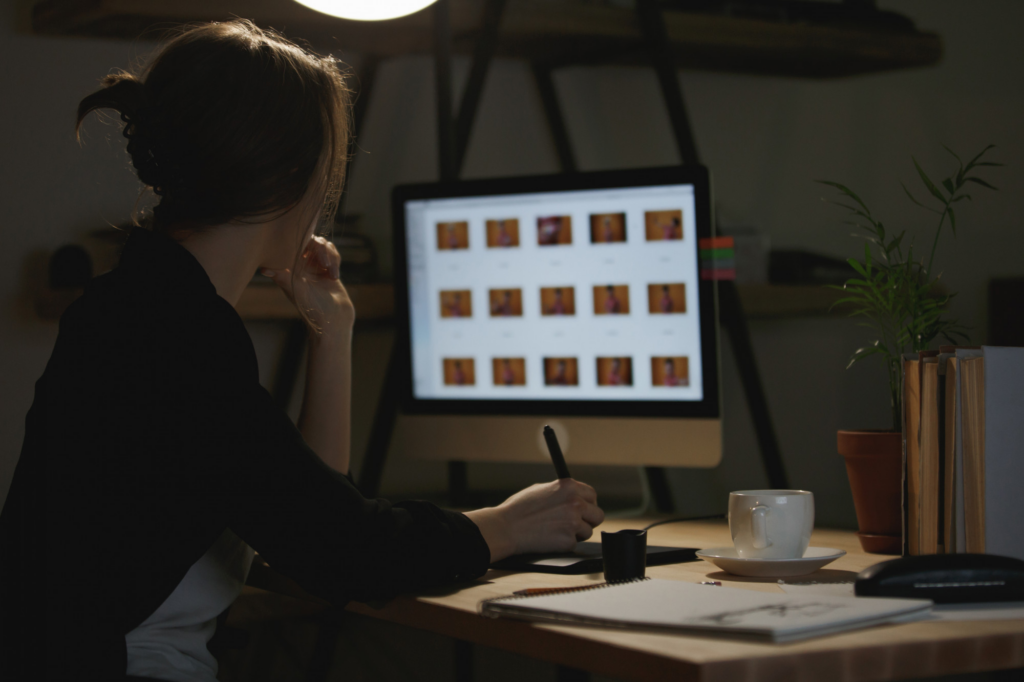
Prior to the digital solutions becoming the centre stage, numerous productions depended on spreadsheets, emails, physical call sheets and manual scheduling. Although this might apply to very small projects, it becomes inefficient and risky when the complexity increases.
This is why moviemakers are replacing project management software:
Prevents Miscommunication
In motion pictures, both vertical and horizontal communication takes place at all times. In the absence of a centralized system, messages may be lost, distorted, or misread. By having a project management tool, everyone will get the same updates at the same time.
Saves Time
Replacing manual order, scheduling, and file sharing with automated activities (creating call sheets, allocating work, revising schedules, and file sharing) produces hours, or even days, of time needed to handle the manual call center tasks weekly.
Keeps Everything Organized
All of the scripts, revisions, media files, contact lists, and production documents are kept in a single location. This will remove cases of searching in emails, shared drives, or hardened folders.
Tracks Progress
These tools enable filmmakers to regard what has been done, what has not been done and what has not been done. This transparency allows teams to be on track and shift fast in case of a change.
Reduces Stress
Film sets are stressful in nature. When your communication and planning are cumbersome, the stress level goes up. Project management software saves wear and tear – and leaves you with greater room to be creative.
4. Best Movie project management software tools that filmmakers utilize.
Below are the list of the most useful film project management software that moviemakers are using now, their advantages, and peculiarities:
StudioBinder – One Stop Movie Production.
StudioBinder is among the most used project management software among filmmakers, particularly the independent and mid-sized project teams.
Key Features
- Breaking down the scripts and shot list.
- Timetables and schedules for shooting.
- Distribution and creation of call sheets.
- Contact management
- Allocation and monitoring of tasks.
- Online teamwork.
StudioBinder is very popular with film teams since they can put all their production activities under one roof. StudioBinder does not have to use different tools to write scripts, schedule, and communicate, but holds them all together. This integrated solution will enhance productivity and reduce time wastage by saving time that could be spent in the process of switching systems.
Best: Small or medium-sized production companies, indies.
Shotgrid Autodesk Flow Production Tracking.
Autodesk Flow Production Tracking, previously referred to as ShotGrid, is a robust software that is frequently employed in bigger production homes, visual effects departments and sophisticated workflows. It is created to deal with projects that have several departments and tasks that overlap.
Key Features
- Advanced task tracking
- Shot and asset tracking
- Version control
- Another software Integration with other software used in VFX and animation pipelines.
- Customizable dashboards
When you have many people in your production, several assets, and require in-depth tracking within or between departments, this tool will help keep track and keep things in check. Although it may require a more steep learning curve, it has a substantial reward in terms of organization and transparency.
Best In: Large studios, visual effects departments, multi-department productions.
Celtx – pre-production and planning Focus.
Celtx began as a scriptwriting system and developed into a good project management system used in pre-production planning. Celtx is worth considering, in case you want more robust assistance for the early phases of planning, which include script breakdown, storyboarding and early scheduling.
Key Features
- Scriptwriting and breakdowns.
- Storyboards
- Production calendar
- Call sheet generator
- Cloud collaboration
Celtx also works very well with the planning and preparation, assisting the teams in enabling them to switch on to a schedule more quickly than a script. It is not exhaustive of all the details of production, but it makes life so much easier in the initial organization.
Best When: The team deals with pre-production and planning.
Trello – Multipurpose Task Manager.
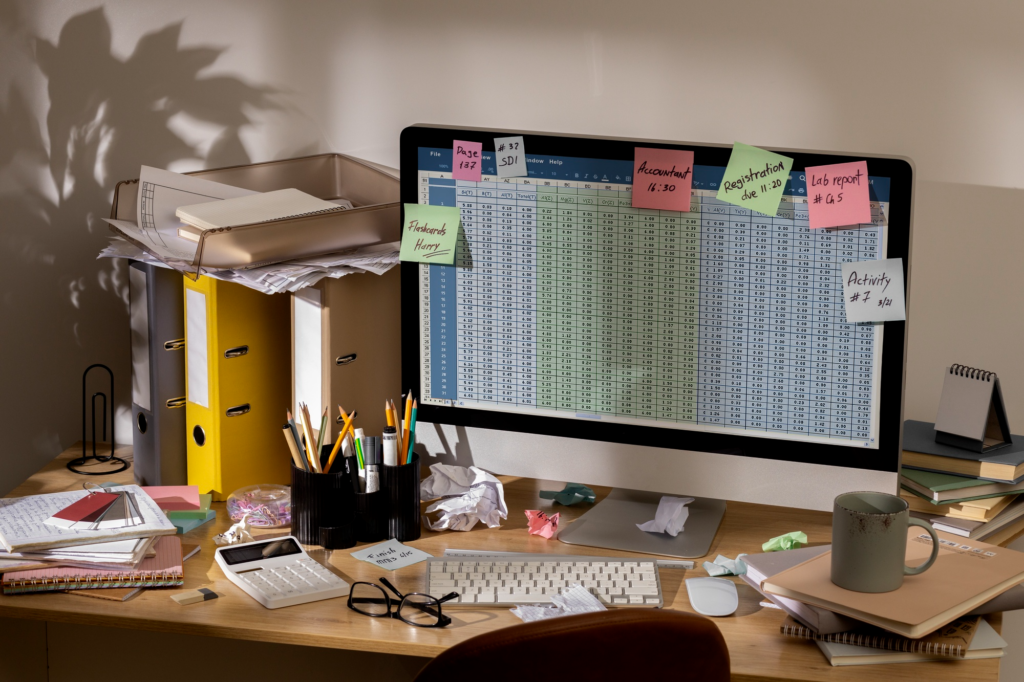
Although it is not specifically a movie-making tool, Trello is a very versatile project management platform that numerous indie filmmakers and small movie production teams use.
Key Features
- Card-based task boards
- Organization: Lists and labels.
- Team collaboration
- Checklists and due dates
- Easy drag-and-drop interface
Trello provides a team with an easy visual means of organizing work and tasks. It can have greater manual configuration to the demands of film, but its ease and flexibility can be popular in small projects.
Asana – Enterprise Workflow Management.
Another general project management tool applicable in industries, including film production, is Asana. Its advantage is in the ability to handle complicated sequences of tasks and monitor the relationships between tasks.
Key Features
- Project timelines
- Assignments and priorities of tasks.
- Performance and goal monitoring.
- Team comments and updates
- Combination with a variety of other tools.
Asana is a tool to plan workflow on a long-term basis and track the progress in detail. It is not film-related, and it has strong task management capabilities, which keep teams on track, particularly when timetables have become hectic. According to Harvard Business Review, teams that rely on centralized digital communication systems experience fewer misunderstandings and improved project outcomes.
5. Best For Teams: Teams that require a lot of tracking of tasks and deadlines.
Elements to consider in Film Project Management Software. It is rather difficult to select the appropriate tool when there is a great number of them. The following are characteristics that are of the utmost concern to filmmakers:
User-Friendly Interface
A tool must have easy adoption by your whole team. In case it is too complicated, productivity may even decrease.
Centralized Communication
Your program is supposed to provide the ability to discuss, update and leave messages directly related to the task or document rather than hidden within emails.
File and Asset Management
Systematic storage, version management, and convenient access to scripts, footage, and documents conserve time and frustration.
Real-Time Collaboration
The team members must be able to see updates immediately, whether they are on set or working remotely.
Customizable Templates
The film productions varyfrom one project to another. Customization is all that allows you to respond to your workflows, instead of imposing a strict framework on your process.
Mobile Access
Mobile schedules, shot lists and updates on tasks are helpful on set in Teams.
6. True Life Story: Software Makes Production Smoother.
Numerous filmmakers also testify to the dramatic increase in productivity with the implementation of project management software. These are typical transformations that teams undergo:
Fewer Scheduling Conflicts
Automatic updates are used to make sure that everybody is operating on the latest version of the schedule.
Less Time Making Call Sheets
Minutes are taken to create and distribute call sheets that previously took hours to create.
Better Crew Communication.
Otherwise, the team does not have to waste time on long email messages or messages that are fragmented and spread out; everyone gets updates in one location related to the task or project.
Faster Feedback Cycles
The process of editing or VFX approvals proceeds much faster with comments and versions being crunched in a central location.
These enhancements are reflected in actual time saved – time that can be devoted to cast and crew developing, practicing, or perfecting their work. Industry insights shared by StudioBinder highlight how structured production tracking and centralized project dashboards help filmmakers reduce delays and maintain better control over schedules.
7. Difficulties in the Process of Moving to Film Project Management Tools.
Implementation of new software is not always smooth. Such are typical obstacles to the team:
Resistance to Change
Certain members of the crew also want to stick to the old ways. The transition can be facilitated by training and documentation.
Learning Curve
It is common that powerful tools contain functionality that users do not require initially. This starts with simple features and progresses to complex features.
Initial Setup
There is an initial time investment in the input of scripts, contacts, and project templates, but this is compensated for.
8. Conclusion
Film project management software does not come as an option in an industry where time is money. These tools assist the filmmakers in becoming organized, well communicated, cut down manual tasks, and carry out complex work with confidence.
You can use a one-stop solution, such as StudioBinder, a powerful tracking tool, such as Autodesk Flow, or use any tool that has flexibility, such as Trello or Asana, but the advantages stay the same: a smooth production process, reduced mistakes, and accelerated processes.
The correct tool does not substitute your creativity; it shields your creativity by taking away the barriers. By using professional production workflow solutions such as those offered by Rezaid Film, filmmakers can reduce delays, improve collaboration, and streamline project management across all stages of production.
9. FAQs
What is film project management software?
Film project management software is a computer program that aids filmmakers in planning, organizing, coordinating, and monitoring every aspect of a film project – from planning the pre-production to scheduling tasks and all activities during the production.
Is project management software useful to small teams?
Absolutely. Centralized communication, tracking of tasks and simplified scheduling even in small teams assist in minimizing confusion and time saving.
Are these tools eliminating the traditional production roles?
No. The tools are helpful because they assist production teams in decreasing the amount of manual labor and improving the order. They liberate production professionals from the time needed to make creative decisions, but do not eliminate knowledge and judgment.