Table of Contents
1. Introduction
2. The reason the Film Team of 2026 should have advanced collaboration tools.
3. The Best Project Management Applications to use in film teams as of 2026.
4. Introduction to Choosing the right Collaboration tools in your film Project.
5. Tricks and Hacks to a Successful On-Set Implementation.
6. Conclusion
7. FAQs
1. Introduction
By the year 2026, the movie industry is a new era of digital collaboration, whereby geographically dispersed teams are connected and operate in harmony using robust digital project collaboration tools. Scheduling pre-production, doing edits, posting dailies, communicating with the cast and crew: the correct software is not only no longer convenient, but it is now a necessity. In this blog, we will discuss the best project collaboration tools for film teams in 2026 that will transform the working flow, increase creative synergy, and continue projects to work until release.
These platforms deliver powerful solutions to the specific requirements of film production, including scriptwriting and storyboarding, as well as visual collaboration and secure asset management. We will discuss the reasons why these tools are needed, what to consider when buying them, and how they would help to bring your next film project to the next level.
2. The reason the Film Team of 2026 should have advanced collaboration tools.
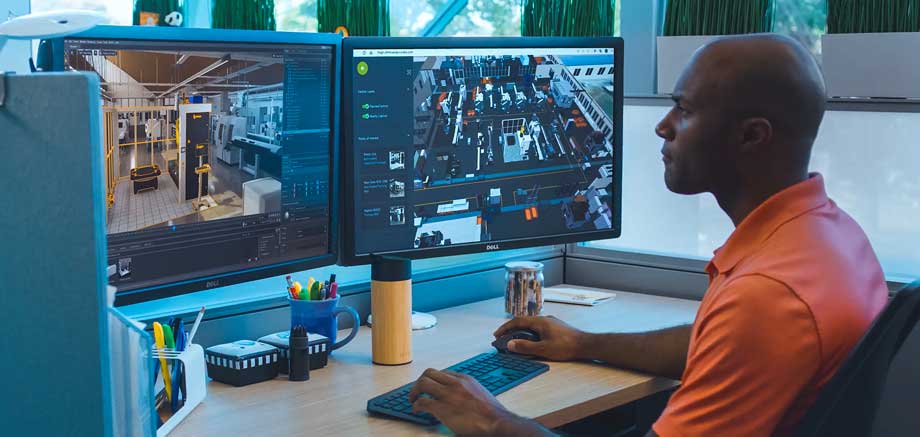
Throughout the history of the movie industry, it has been teamwork, yet the production scale and its complexity in 2026 will require more advanced systems. Moviemaking crews can consist of dozens – even hundreds – of contributors distributed in cities, countries, or even continents. Remote editing suites, virtual production stages, and digital dailies need a central system that can support:
- Live feedback and communication.
- Script versioning, Cut versioning, and Storyboard versioning.
- Store huge media files in a safe cloud storage.
- Monitoring of tasks and scheduling of production.
- Departmental cross-departmental approvals and sign-offs.
Essentially, the modern collaboration tools not only simplify the production but also eliminate expensive time wastage and miscommunication, particularly where the production may be an indie film with strict budgets or a blockbuster with strict deadlines.
3. The Best Project Management Applications to use in film teams as of 2026.
The following are some of the most successful and popular collaboration platforms that would be used by film professionals in 2026. All the tools are specialized in a certain production and creativity workflow.
FrameSync Pro – Real-Time Image Visual Review and Annotation.
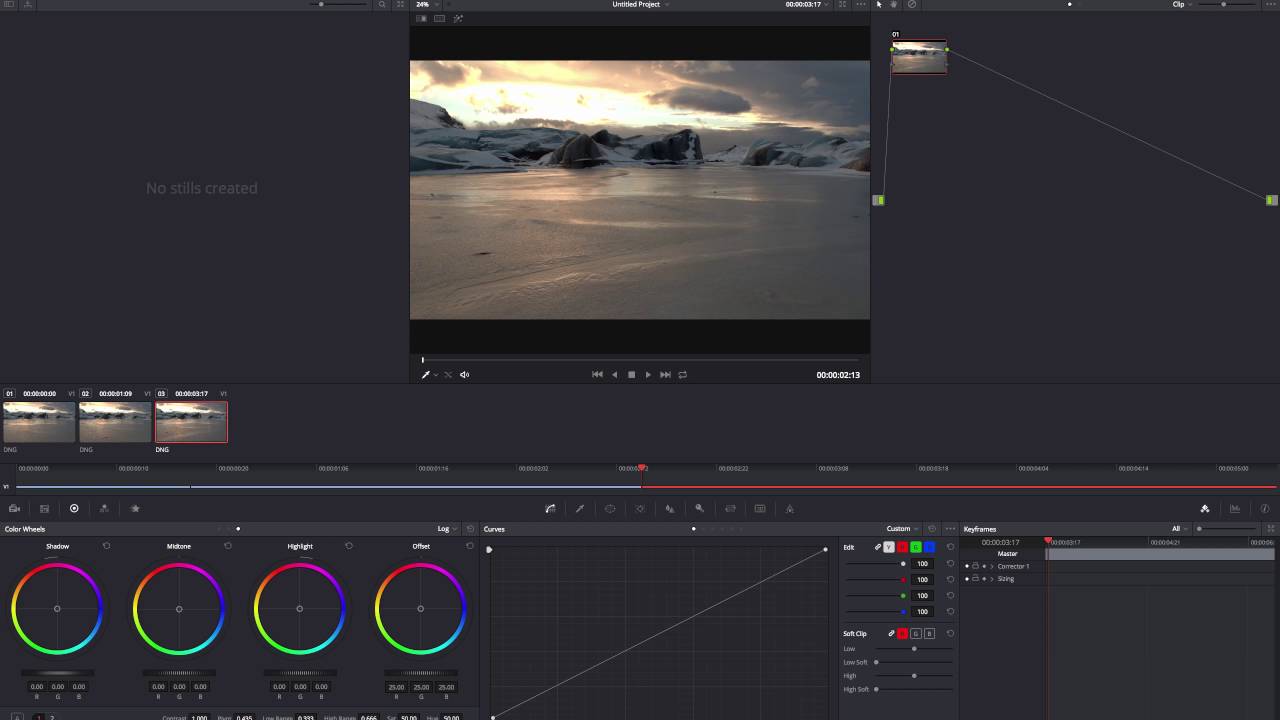
FrameSync Pro is gaining popularity with film production studios because of its ability to review and annotate live. The platform allows the editors, directors, colorists, and VFX artists to:
- Store video safely in the cloud.
- Note frames would be associated with timecodes.
- Synchronized playback virtual reviewing.
- Compare the revisions of the version immediately.
Key Benefits
- Frame-accurate real-time commenting.
- Confidential footage is given high security.
- Version history tracking
- Minimum lag even using ultra-high resolution files.
FrameSync Pro has become an indispensable tool to directors who require fast feedback on the rough cuts or VFX supervisors with multiple teams working on the same project across different countries.
CineConnect- Task and Communication Hub.
CineConnect is created as a single communication and task management software that can be used by film teams. It also fills the empty gap between the coordination of production and communication between crew members by providing:
- Task boards that can be personalized.
- Online chat and discussion boards.
- Synchronization of the calendar and the production schedule.
- Interdepartmental marking and alerts.
Why Teams Love It
CineConnect is a production command center – it is like Slack and Trello optimized for film logistics. The teams can delegate the tasks regarding casting, costume checks, schedule of shots, location scouting,g and so on, all in a single elegant dashboard. The built-in calendar sync keeps everyone within the shoot dates, rehearsals, and post-production deadlines.
ScriptFusion Script collaboration, connection, and breakdown in real-time.
Any film project involves script writing and overhauling. ScriptFusion is a screenwriting software based on traditional software that has real-time collaborative editing, syncing of versions instantly, and is cross-platform accessible.
Key features include:
- Multi-user interactive script editing.
- Competitor history, comparison tools.
- Department tagging (costumes, props, locations, etc.)
- Automatic production failures.
In contrast to older tools, where the author emails a draft back and forth, ScriptFusion would allow teams to view the changes as they are made, make comments in-line, and also generate production breakdown reports immediately, which are used by the producers and line managers. Frame.io is one of the most widely used video review and collaboration platforms in the film industry, allowing teams to share footage, leave time-stamped comments, and streamline post-production workflows in real time.
SparkFlow- Cloud-based Asset Management of Media.

Media asset management is now a priority for large film productions and even documentaries in 2026. SparkFlow provides a cloud-based platform to organize, tag, and exchange media assets – raw footage and sound bites, and metadata.
Its most outstanding characteristics are:
- secured encryption of cloud storage that is scalable.
- Metadata tagging intelligent search.
- Large file transfer download management.
- Individual and departmental authorization.
It could be in the storage of thousands of raw clips, or in the management of libraries of sound effects; in any case, SparkFlow ensures that teams can find precisely what they require in seconds without the need to manually search through folders.
4. Introduction to Choosing the right Collaboration tools in your film Project.
There is no universal decision to make when it comes to collaboration tools. Your needs will depend on:
Project scope: A short film may require just script cooperation and directorial tasks, whereas a feature film will require total asset management and review hubs.
Team size and location: Remote teams have the advantage of built-in communication and cloud-based devices.
Price: Certain websites have leveled prices – indie filmmakers can opt to have affordable plans that have essential needs.
Looking to optimize your entire production pipeline? Our breakdown of the best film production workflow software for studios covers tools that enhance scheduling, asset management, and team coordination.
Evaluate Based on Core Needs
In evaluating tools, the following are questions to take into account:
- Will the software accept large media formats, including 8K or raw?
- Are the team members able to work in real time, irrespective of the location?
- Is the version history convenient to access and use?
- Does it have any built-in communication capabilities or applications with other tools?
The answers to these will assist you in reducing the tools that would fit your workflow. To explore an in-depth comparison of the best video collaboration platforms for film teams, check out our detailed guide here: Best Video Collaboration Platforms.
5. Tricks and Hacks to a Successful On-Set Implementation.
As soon as you select tools, it is all implementation:
Get your team ready: Organize orientation programs before production.
Role definitions and permissions: It is better to have the access levels assigned at the beginning in order to avoid mixing up.
Documentation Centralisation: Keep production documents at a single point of location.
Normalize naming rules: Searchable organization. The name of a file should be clear.
The practices ensure that collaboration tools are more efficient and help teams remain efficientunderg pressure. StudioBinder offers comprehensive production management tools, including call sheets, shooting schedules, script breakdowns, and team collaboration features tailored specifically for film crews.
6. Conclusion
In the year 2026, film crews are undergoing the digital change using some of the most powerful project collaboration tools that facilitate the creative processes, communication, and distributed production space. Showing how the new technology addresses the unique needs of filmmaking, such as FrameSync Pro, CineConnect, ScriptFusion, and SparkFlow demonstrate how new technology can fulfill the requirements of real-time, on-screen review and cloud-based management.
The ability to select the appropriate tools will be a competitive edge as filmmaking is more collaborative and globally connected. Whether you are producing an indie film or a big studio film, an appropriate investment in software can save time, cut down on expenses, and enhance the creative performance of your film team. For more insights into filmmaking tools and industry trends, visit our main resource hub at Rezaid Film.
7. FAQs
In 2026, what are the tools that most film teams require?
The teams in films require collaboration applications that can be used to enable real-time editing, communication, storage of media assets, task-tracking, and secure cloud storage.
Remote teams: Are these tools compatible?
Yes — the majority of the leading tools in 2026 will be cloud-based to support remote collaboration between various time zones and production centers.
Should these be tools used by independent filmmakers?
Certainly, most of them have the ability to scale their pricing and functionality to support both independent and big studio projects.