Table of Contents
1. Introduction
2. The Script Breakdown: The Initial Stage of Scenes filming.
3. Pre-Production Planning: Construction of a Blueprint.
4. Rehearsing and Casting: Performance Preparation.
5. Preparation of scenes on-set prior to filming
6. When a Movie is Filmed on Location.
7. The Importance of Teamwork in the Shooting of Scenes
8. Post-Production: Finishing Shooting Scenes
9. Why Preparation Enhances Filming Scenes.
10. Final Thoughts
11. FAQs
1. Introduction
All memorable moments of a movie start a long time before the camera starts rolling. The viewers see what they see on the screen because of proper planning, teamwork and creative problem solving. The process of filming scenes is organized and at the same time flexible, which turns written words into a mighty visual narrative.
Every scene goes through a number of processes, the first process being the initial dissection of the script to the final cut. The information about the planning and shooting of the scenes to bring out a smooth, emotional, and immersive cinematic experience explains why good movies feel as equal to the flow.
2. The Script Breakdown: The Initial Stage of Scenes filming.
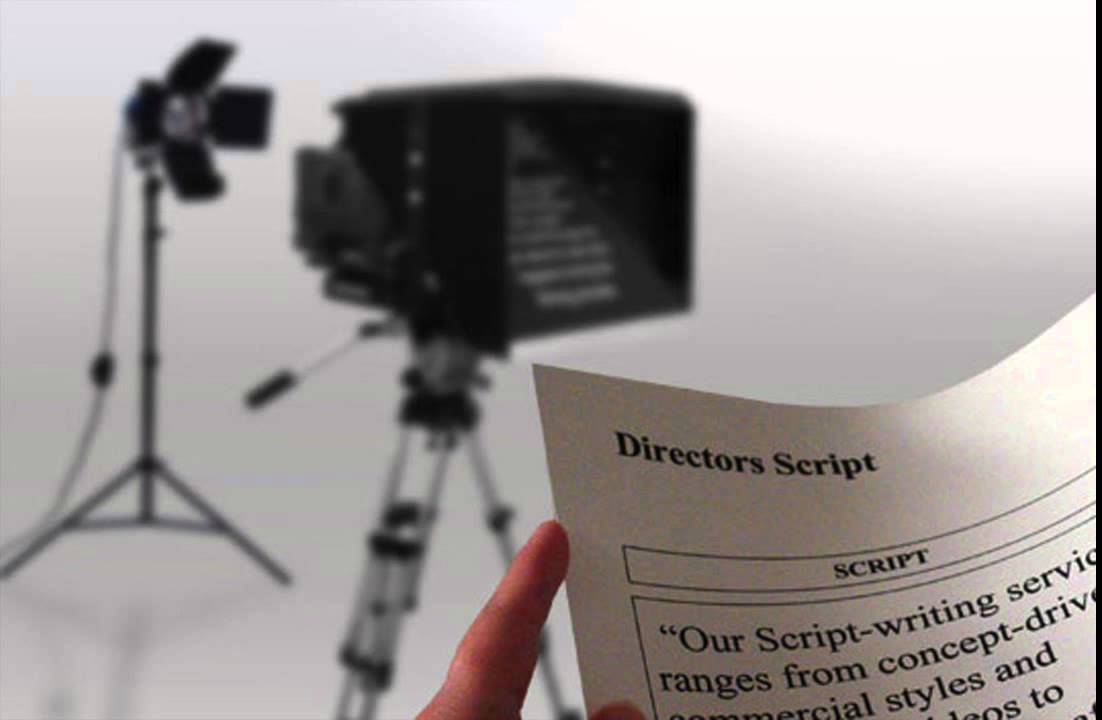
All filming scenes are based on the script. The directors and producers carefully analyze the script before the production starts to know what each scene needs.
This process identifies:
- Emotions of the scene.
- Characters involved
- Locations and settings
- Special effects, props and costumes.
- Technical challenges
Such a breakdown helps to make sure that the filming of scenes is in the service of a story, and not arbitrary and unrelated.
3. Pre-Production Planning: Construction of a Blueprint.
It is during pre-production that the filming scenes begin to shape up. Good preparation minimizes time wastage, cost increase and imaginative misunderstanding in the manufacturing process. Proper planning is the backbone of professional film production workflows that turn scripts into powerful on-screen moments.
Storyboard and Image References.
The script is converted into storyboards. They chart camera angle, framing and movement, which enables the director and cinematographer to agree on them creatively. Storyboards serve as a guide that helps the crew to maintain focus in complex filming scenes, like action or emotional scenes.
Scene Coverage and Shot Lists.
A shot list represents a description of all camera shots that are needed to cover a scene. This ensures that when the filming scenes are taking place, the editors can then bank on ample footage on which they can then work on pacing, emotion and continuity.
Missed shots and wasteful reshoots can be avoided through well-planned lists of shots.
Setting Design and Location Scouting.
It is highly important to select the appropriate place. Location managers seek areas that are appropriate to the script and sound, lighting, permits and ease of access.
In other instances, sets are constructed instead. Set designers provide a setting that facilitates the actual shooting of the scene, both aesthetically and practically, to make sure there is easy movement of the camera and acting by the actors.
Planning Filming Scenes Easily.
Scenes are not often shot chronologically. Rather, the shooting of scenes will be planned on the basis of:
- Location availability
- Actor schedules
- Budget efficiency
- Technical setup requirements.
This is a time and cost-effective approach, and more so, the quality is maintained. The step-by-step shooting plan helps in streamlining the production process and also minimizes downtimes. For a deeper look at how storyboarding supports visual planning before filming begins, read this detailed explanation of what storyboarding is and why it matters in filmmaking by StudioBinder.
4. Rehearsing and Casting: Performance Preparation.
Successful filming scenes involve the actors. Casting is done so that performers can fit in the characters emotionally and physically.
Rehearsals assist actors before the scene shooting takes place:
- Learn about the reasons behind character.
- Develop chemistry
- Movement and practice blocking.
Rehearsals are also the time when the directors can perfect emotional beats, thus making it easy to execute them when on-set. To better understand how professional productions structure their workflow from pre-production to post, explore the complete filmmaking process guide by the New York Film Academy.
5. Preparation of scenes on-set prior to filming

On every day of filming, there is a proper setup. Departments liaise to make sure that things are in place before the filming begins.
Key preparations include:
- Positioning of cameras and choice of lens.
- Set up of lighting to suit the mood and continuity.
- Checks on sound and positioning of microphones.
- The placement of sets and props.
This planning makes filming scenes proceed without any hitches.
6. When a Movie is Filmed on Location.
This is the parting of ways of planning and creativity. Filming scenes may need flexibility, though elaborate preparation has been done.
Blocking and Camera Movements.
Blocking determines the action of actors and their interaction in the frame. The movement of the camera is to be used as an accompaniment of performance, not its distortion.
Good blocking causes filming of scenes to become natural and interesting to watch.
Lighting the Scene
The tone is created by lighting. The situation of intimacy can be created by using dim light, and tension can be created by using bright light. Cinematographers regulate the lights in order to support the story and be coherent in takes and days of shooting.
Taking Multiple Takes and Angles.
Most scenes of the filming are made in multiple variants:
- Wide shots establish space
- Interaction is depicted in medium shots.
- Close-ups reveal emotion
This coverage grants freedom to the editors and provides the best final scene possible.
Handling Problems at Filming Sites.
There are no hindrances to any production. Filming scenes may be influenced by weather variations, equipment problems or performance variations.
Professional crews face these challenges through:
- Adjusting shot plans
- Modifying lighting setups
- Reworking blocking
- Creative compromising.
An important skill in the successful filming of scenes is problem-solving.
Continuity: Visual Continuity
This continuity makes the scenes appear continuous even when they were recorded on different days.
A script supervisor tracks:
- Actor movements
- Dialogue delivery
- Props and wardrobe
- Screen direction
The absence of continuity can make the shooting of scenes look fragmentary, which interrupts immersion of the audience.
7. The Importance of Teamwork in the Shooting of Scenes

Shooting the scenes is not individual work. The actors, the cinematographers, sound designers, and the directors, among the rest of the crew, have to cooperate.
Communication will ensure that they are all aware of the creative vision. With cooperation high, the shooting of scenes becomes centered and productive and not disorganized. Modern studios rely on collaborative tools for film production teams to keep communication clear and scenes organized.
8. Post-Production: Finishing Shooting Scenes
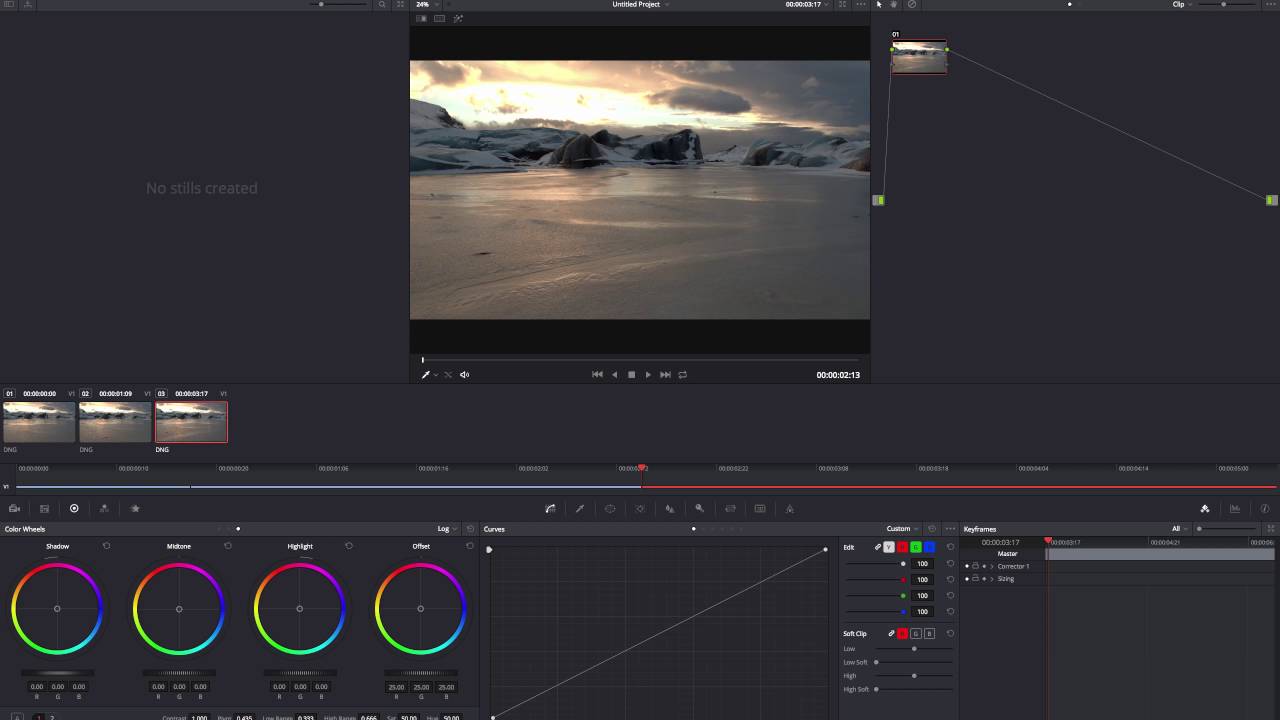
Work on the film continues even after filming on set, but not until post-production. The compilations of videos are performed by editors who select the most stunning acts and decide the rhythm. The emotional and visual consistency is ensured because of the sound design, music, color grading, and visual effects enriched with the filmed scenes.
Properly planned filming scenes will ease post production that will be fast and effective.
9. Why Preparation Enhances Filming Scenes.
The distinction between slapdash filming and non-trite narrative is planning. Organized filming scenes:
- Save time and budget
- Reduce reshoots
- Enhance the quality of performance.
- Improve the involvement of the audience.
- Great scenes come easily as the effort was done behind the curtains.
10. Final Thoughts
The shot of the scenes is a process that is highly elaborate and will be grounded on preparation, creativity, and collaboration, beginning with the dissection of scripts and ending with the final cut. Each camera movement, acting decision and lighting choice adds to the narration.
When the filming scenes are thought out and implemented purposefully, the audience does not recognize the technique; they experience the feeling. And that is what great filmmaking is.
11. FAQs
What is the best step in the shooting scenes?
It is important to plan ahead of production. It preconditions the easy filming scenes and eliminates expensive errors on the set.
Why are the shooting scenes taken out of sequence?
The scenes are arranged in terms of efficiency, locations, and availability of actors and not in terms of the story sequence.
How long is the time taken to shoot one scene?
It depends on complexity. Other scenes require hours of filming, and there are those that require days.
Who guarantees continuity in the filming scenes?
The script supervisor will ensure continuity and monitoring of the information for all the scenes that have been shot.