Table of Contents
- Introduction
- The Increasing Complicatedness of Filmmaking in 2026.
- What Is Digital Asset Management in Movie Making?
- The reason why Filmmakers cannot ignore the use of DAM tools in 2026.
- The way DAM Tools enhances the workflow of filmmaking.
- Securing Creative Assets and Intellectual Property.
- Scaling between Independent Filmmakers and Big studios.
- DAM Tools and the Rise of AI in 2026
- Selecting the appropriate DAM Tool to use in film production.
- The Future of Filmmaking is Organized.
- Conclusion
- FAQs
1. Introduction
The art of filmmaking has never ceased to be a gorgeous blend of imagination and madness. Externally, it appears glamorous–cameras revolving, actors acting, directors shouting. In the backstage, however, it is not the case. Hard drives are messy, the names of files are all jumbled about, versions increase, and someone will always tell someone, where can we find the last-last-really-last version?
Filmmaking is not only more digital, more collaborative, and more fast-paced than ever in 2026, but is more digital than it has ever been. They are bigger in movies, geographically divided in casts, and why it no longer just gets filmed to appear on the movie screens, but it is streamed to the internet and the social media, trailers, teasers, and marketing campaigns globally. The most important issue in the midst of all these is how to effectively manage digital assets.
It is here that the Digital Asset Management (DAM) software has transformed from a nice-to-have to a must-have tool for filmmakers and production teams.
2. The Increasing Complicatedness of Filmmaking in 2026.
Contemporary cinema produces excessive content of a digital nature. One piece of production may hide terabytes of raw footage, audio files, VFXs, stills, scripts, subtitles, posters, trailers, and so on. These assets are no longer processed and kept by a small number of people in one location as it was in the past.
The modern productions are frequently distributed among cities, countries, and time zones. The same files are required by editors, sound designers, colorists, VFX artists, and even marketing teams, and at the same time. Without an organized system, such complexity becomes a fast mess.
The old style of storage, such as external drives or simple cloud folders are simply not up to the size and speed of the modern film production. There are duplicate files, lost files, and overwritten files,s and time spent in search is a wastage of time, rather than creation.
3 . What Is Digital Asset Management in Movie Making?
Digital Asset Management is a unified application that is used to store, organize, monitor, and access digital files in an efficient manner. To filmmakers, DAM tools serve as a point of truth of production resources, both in pre-production, post-production,n and distribution.
In contrast with rudimentary cloud storage, DAM systems are designed to work with extensive media files and complicated processes. They can enable teams to add metadata to assets, manage access control, versioning of files, and, as opposed to spending time browsing persistent folders, search files by keyword.
Simply put, a DAM tool helps to sort out the creative mess. According to Adobe, Digital Asset Management systems help creative teams organize, tag, version, and securely distribute large media files across collaborative production environments.
4. The reason why Filmmakers cannot ignore the use of DAM tools in 2026.

Time To a Set Is the Costliest
Each minute, which is spent searching files costs money. The entire schedule can be put on hold by editors who are waiting to get the right version of the footage, marketing teams that are requesting the most recent version of the trailer, ordirectors whot are looking over old versions of the cup.
This friction is considerably diminished with DAM tools. Smart search, previews, and version histories give teams a chance to locate what they need in a few seconds. Hundreds of hours can be saved through this during the process of a production. Professional film productions demand structured workflows, which is why digital asset organization is essential for modern filmmaking studios like Rezaid Film.
Teamwork has become fully remote.
Working together is not an exception, but the rule, which is remote. It is usually the case in 2026 that an editor, a VFX crew, and a producerares based in different countries, and everything is managed in a completely different location.
This is feasible through DAM platforms without confusion. They enable creating a safe access to any asset at any place, working on the latest version, and maintaining communication on the same track with common files.
The Film is not the end of the content.
Movies do not have an ending cut. Promotions, behind-the-scenes, and interviews,s as well as the future projects, are done with clips that have been reused.
A DAM tool is such that the assets will not be lost as soon as production is finished. Teams can now find the required content and recycle it in seconds without digging inside the old drives or re-creating it, which saves time and maintains creative value. Blackmagic Design highlights how modern post-production workflows increasingly rely on intelligent media management and cloud-based collaboration features within professional filmmaking environments.
5. The way DAM Tools enhances the workflow of filmmaking.
Pre-Production Organization
In the pre-production stage, DAMs are used in the management of scripts, storyboards, casting tapes, location photographs, and concept art. All of this is organized, searchable,e and available to the right individuals so that there is less miscommunication and version confusion before even the shooting commences.
Streamlined Post-Production
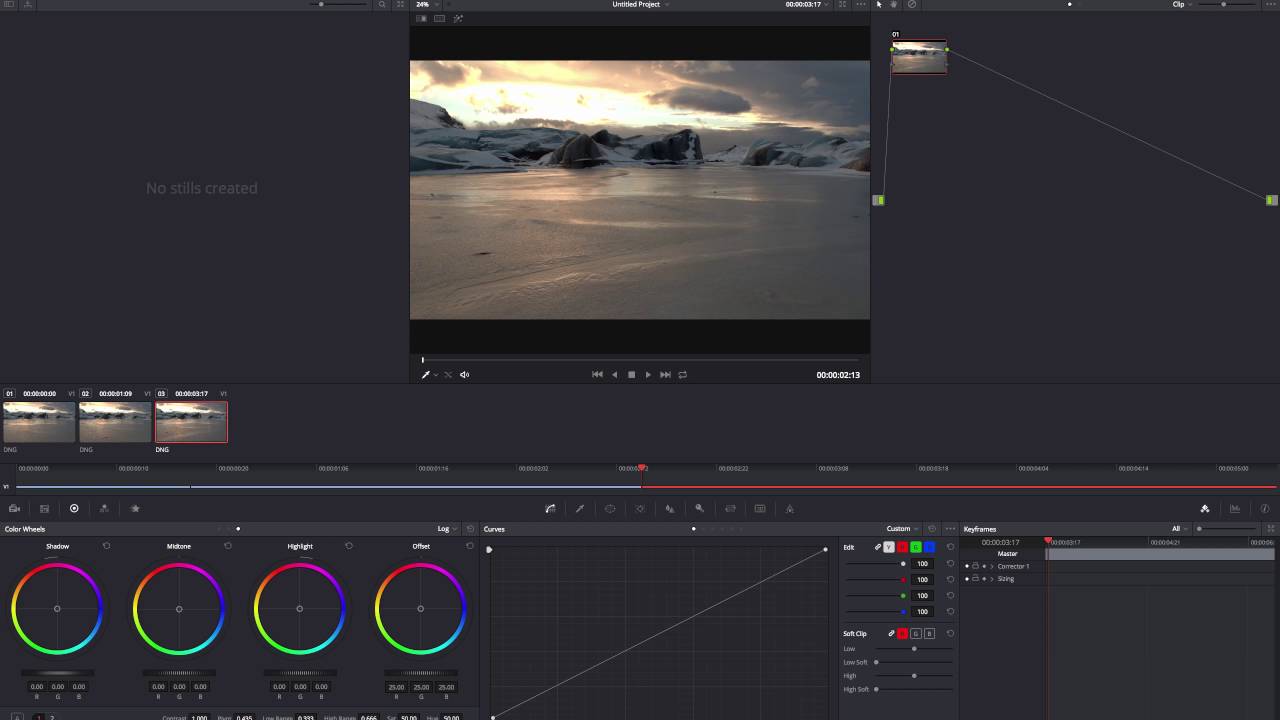
DAM tools are most effective in post-production. Raw footage can be viewed by the editors, revisions can be uploaded by the VFX team,s and audio files can be synchronized by the sound designers without an endless file transfer.
The version control will also make sure that no work is lost, and the past edits can be recovered immediately. This enables experimental creativity to be safeguarded and expedited.
Quickened Approvals and Responses.
A good number of DAM systems have a review and approval feature in which directors and producers can comment on assets. Rather than email chains or general reactions, the notes are attached to particular frames or timestamps, and changes in the text are more understandable and faster.
6. Securing Creative Assets and Intellectual Property.
Security is a major concern in a business where marketing strategies and premieres can be ruined by a leak. DAM tools provided have advanced access controls, encryption, and activity monitoring that would guarantee that sensitive assets are viewed only by authorized individuals.
Securing scattered drives and unsecured links is challenging and may not be possible to achieve this level of security.
7. Scaling between Independent Filmmakers and Big studios.
The second mistake related to DAM tools is that they are not limited to large studios. Indeed, the small production houses and independent filmmakers gain equally, or even more.
With the rise in the number of indie productions and the augmentation of content, DAM tools allow teams to remain professional, efficient, and competitive. A lot of the current-day DAM systems are scalable, and that is,s theyare includede with the project rather than swamp it.
8. DAM Tools and the Rise of AI in 2026
As of 2026, systems of DAM are smarter than ever. The functions of AI will be able to tag footage automatically, recognize faces, identify scenes, and even propose the most suitable footage to use in trailers or even on social networks.
This saves on manual work and assiststhe team to find content of value that they would otherwise be blind to. Rather than wasting time naming files, creatives will be able to work on stories.
9. Selecting the appropriate DAM Tool to use in film production.
DAM tools are not designed in equal measure. The video file support, the ability to integrate with editing software, a good level of collaboration features, and the ability to assign flexible permissions are the solutions that the filmmakers should seek to help them. them
Ease of use is also critical. A DAM system must not make working difficult, they should streamline it. The most appropriate tools can be described as a natural continuation of the creative process and not a technical encumbrance.
10. The Future of Filmmaking is Organized.

The disorganized production workflow cannot be afforded by thefilmmakerss anymore due to the shortening of production timelines and increase in the content demands. DAM tools are the future of every production team, as they allow creative work without disorder.
It is not only storage, but speed, teamwork, security, and imaginative freedom of DAM in 2026.
11. Conclusion
Moviemaking will never be easy, yet handling digital resources does not need to be. By 2026, the tools of Digital Asset Management have become critical to the production teams, who desire to work faster, collaborate more, and ensure the protection of their creative work.
DAM system is used by independent filmmakers doing a variety of projects, as well as giant studios with global work teams, in order to transform the files lying around into an organized, dynamic workflow. Investing in the appropriate DAM tools allows filmmakers tospende less time searching and more time writing something meaningful. Secure handling of unreleased footage is critical, which is why Rezaid Film follows professional media management practices in every project.
12. FAQs
What is Digital Asset Management in filmmaking?
Digital Asset Management in filmmaking is defined as systems that organize, store,e and manage digital files,s including video footage, audio, images,s and project files, throughout the production lifecycle.
Are DAM tools required for small film productions?
Yes. Seven digitals are created even by small productions. DAM tools assist independent filmmakers to remain organized and work together, as well as scale their workflows as projects proceed.
What is the difference between DAM and cloud storage?
Cloud storage is merely the storage of files, whereas DAM tools hold files with metadata, versioning, access controls, and workflow controls built to deliver the functions of creative teams.