Table of Contents
- Introduction
- What Do Digital Workflow Solutions in Filmmaking Mean?
- The Reason Why Conventional Film Processes Slacken the Production.
- Digital Workflow Solutions enhances the speed of production.
- Advantages of Small vs Large Movie Teams.
- Digital Workflow: Does it have an impact on Creativity?
- Conclusion
- FAQs
1. Introduction
Cinematography has always been creative and organized. Although storytelling, images and acts are still central to the film, the filmmakinghas radically shifted. Speed is as important as creativity in the current fast-moving industry. Strict time constraints, constrained budgets, distance-based teams, and increasing demands of the audience have left filmmakers no longer able to use scattered tools and manual operations.
Here is where the digital workflow solutions of filmmakers come into the picture. Digital workflows are redefining the way in which films are produced, whether in planning and scheduling collaboration or post-production. They do not eliminate creativity – they secure it by eliminating the redundant delays, misunderstandings and paperwork. We will discuss digital workflow solutions in this blog, the way they operate, and most importantly, how they greatly enhance the speed of production without interfering with quality. Explore a media production management tool that centralizes planning, collaboration, and asset control — see here: Rezaid Film.
2. What Do Digital Workflow Solutions in Filmmaking Mean?
Digital workflow solutions are computer-based programs that assist filmmakers to handle, arrange, distribute and manage all the aspects of the production procedure within a single connected space. Digital workflows are used in place of having different tools to use scripts, schedules, files, communication, and approvals.
These are solutions which usually include:
- Pre-production planning
- Production coordination
- Media and asset management
- Team collaboration
- The review and approval processes.
- Post-production workflows
The overarching objective is easy to understand, and it is to minimize friction. When information circulates easily among individuals and departments, then work would be completed at a rapid rate and with minimal errors. For an overview of digital workflows in film and media production: Studiobinder.
3. The Reason Why Conventional Film Processes Slacken the Production.
The production of films used to be based on manual and uninterconnected systems before the digital tools emerged. Manuscripts were published and republished. Spreadsheets had schedules updated in them. The files were stored on hard drives. The feedback was provided via emails, phone calls or in writing.
This strategy brought a number of issues:
- Wasting time in the search for files.
- Interdepartmental miscommunication.
- Misunderstanding of the latest versions.
- Delay due to manual approvals.
- Monotonous Office dispatches.
Experienced teams could slow down just because the process of working was not pre-designed to be fast. It is precisely these problems that were addressed by the creation of digital workflow solutions.
4. Digital Workflow Solutions enhances the speed of production.
Information is saved centrally, and it saves time immediately.
Looking for information is one of the largest time-wastes in filmmaking. Creating schedules, footage, and documents in a variety of locations, teams spend hours simply attempting to locate what is required of them.
The digital workflow solutions centralize all of it. No one knows where to find:
- The latest script version
- Updated shooting schedules
- Approved footage
- Production documents
This unique source of truth will remove confusion and allow the teams to continue without unnecessary delays. For best practices on digital workflow and collaboration tools in filmmaking: No Film School.
Quickened Pre-Production Planning.
The pre-production determines the speed of the whole project. Delays in this case spread out across the production.
Digital workflow tools accelerate pre-production by:
- The automation of script breakdowns.
- Producing schedules in a short amount of time.
- Producing call sheets within minutes rather than hours.
- Real-time connection of changes throughout the team.
Filmmakers, more than ever, can make amends and proceed without losing the wind because they can build and modify plans as and when changes take place.
Live Cooperation Leads to Wait Reduction.
In conventional work processes, one is likely to pull, as they wait to receive feedback or approvals. This waiting time is eliminated by digital tools of collaboration.
With cloud-based workflows:
- Members of the team can receive updates immediately.
- It is possible to share feedback in real time.
- Even when being distant, the departments remain in line.
This particularly comes in handy with contemporary productions, whereby teams are dispersed. There is night-shift work not halted to make handovers.
Efficient Communication Fills the Gap.
One of the largest reasons of slowdown of production is miscommunication. Necessary messages are lost in email or hidden in chat threads.
Digital workflow solutions centralize the communication by:
- Connecting the discussions to tasks or assets.
- Maintaining project or departmental discussions.
- Communication of clarity of decisions and updates.
With all the information on what and why, there are fewer mistakes to be made, and fewer mistakes will be made, the more it is produced.
Quickest File Sharing and Asset Management.
Working with high media files has been a problem in filmmaking. Conventional techniques are in terms of copying files, manual uploading and handling of multiple versions.
The digital asset management systems enhance speed by:
- Sorting files into a searchable metadata.
- The automatic tracking of versions.
- Permission to access approved assets on demand.
- Eliminating unintentional overwrites.
Filmmakers are able to create rather than spend time handling files.
Fast Tracked Reviewing and Approving.
Inefficient review cycles usually slow the post-production. Editors send files to be reviewed, export files, and repeat the procedure.
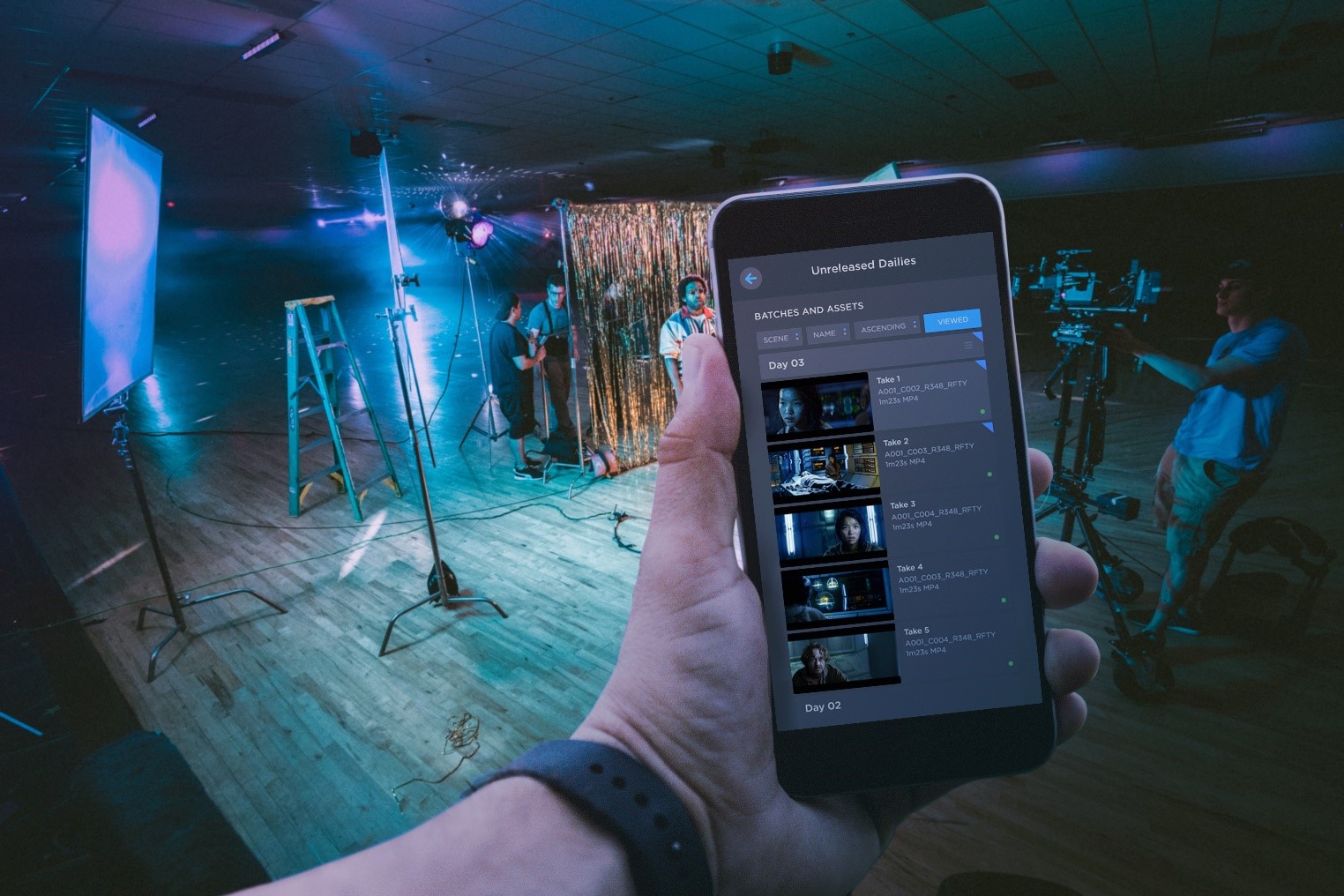
This is changing with digital review platforms, which are transforming by allowing:
- Frame-accurate comments
- On-site comments on video.
- Clear version histories
- Rapid approvals without back-and-forth communications.
This reduces the time of revision and assists teams in locking edits faster.
Automation cuts down on repetitive labor.
A lot of other production activities are repetitive in nature – updating schedules, call sheets, tracking tasks. These processes are automated in terms of digital workflows.
Automation helps by:
- Reducing manual data entry
- Minimizing human error
- Releasing time to creative decision-making.
Automatic handling of the administrative work enables production teams to move more quickly and with reduced stress.
5. Advantages of Small vs Large Movie Teams.
For Small Teams
Small crews work with the assistance of digital workflows:
- Be able to work more effectively despite minimum resources.
- Be efficient without additional personnel.
- Deliver services on time without being stressed.
- Competitiveness with bigger productions.
For Large Studios
Large studios benefit from:
- Scalable workflows
- Improved interdepartmental coordination.
- Quick approval of complex pipelines.
- Less downtime of production.
Regardless of the size, the outcome remains similar; the production will be faster and smoother.
6. Digital Workflow: Does it have an impact on Creativity?
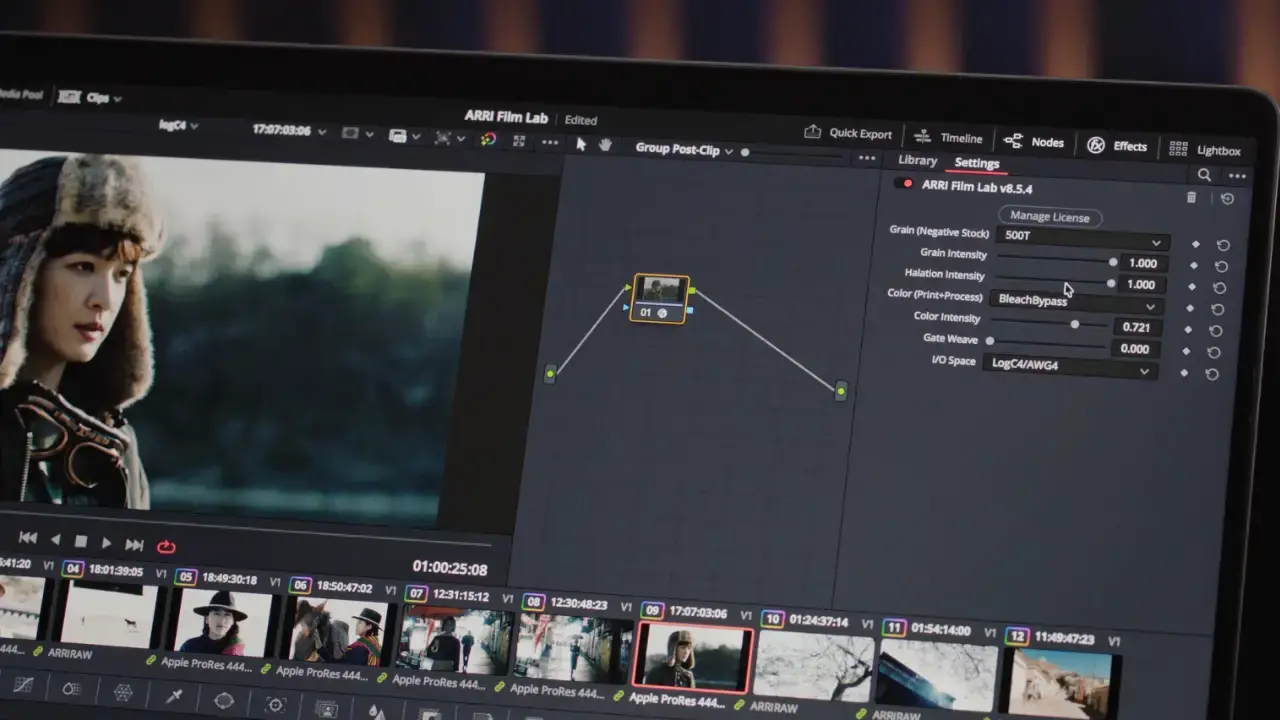
One of the concerns that has been raised is that digital systems may limit creativity. Quite on the contrary, the contrary holds.
Digital workflow: By eliminating logistical nightmares, digital workflow:
- Allow more time for filmmakers to concentrate on the stories.
- Stress reduction in production.
- Let imagination make decisions within a shorter time.
- Make the experimentation process not chaotic.
Speed does not mean hurrying creativity; it means getting rid of the various roadblocks that aren’t necessary.
7. Conclusion
Digital workflow solutions have transformed the filmmakers, who desire to work faster without compromising on quality. These tools revolutionize the production process by centralizing information, enhancing cooperation, automation of routine processes, and shortening approvals.
Digital workflows enable filmmakers to be organized, to adjust to changes, and to complete their projects on time, which is vital in an industry where time indeed is money. It doesn’t matter what you are making: a short film, a documentary, or a big production; the adoption of the appropriate digital workflow is not only about efficiency but also about the safeguarding of your creative vision and the acceleration of the process of its implementation. Learn why a dedicated film management platform was created to solve industry workflow challenges —Rezaid Film.
8. FAQs
What do filmmakers have to do with digital workflow solutions?
The digital workflow solutions refer to software that assists filmmakers with organization, planning, collaboration, assets, communication, and post-production in a centralized and structured manner.
Are digital workflows effective in enhancing the speed of production?
Yes. Digital workflows greatly minimize delays in all production phases by helping reduce the number of manual operations, enhancing communication, and accelerating approvals.
Do independent filmmakers need digital workflow solutions?
Absolutely. A large number of digital tools are flexible and scalable, and thus, they are suitable for indie filmmakers who have to work with small teams and minimal budgets.