Table of Contents
- Introduction
- What is Film project tracking software?
- The reasons why project tracking software is needed in the studios.
- How Film Projects Are Tracked From Start to Finish
- Key Features to Look For in Film Tracking Software
- Advantages of Film Project Tracking Software.
- Challenges Without Tracking Software
- Final Thoughts
- FAQs
1. Introduction
In the current cutthroat filming industry, it is not easy to handle a project through to its final release. Presenting hundreds of moving parts, scripts, schedules, budgets, teams, and post-production workflows, studios require more than spreadsheets and emails. This is where the contemporary film project tracking software is applicable.
These tools provide the studios with full visibility and control in every part of filmmaking, from pre-production planning to post-production delivery. We will consider the way they operate and the reason they are vital in 2026.
2. What is Film project tracking software?
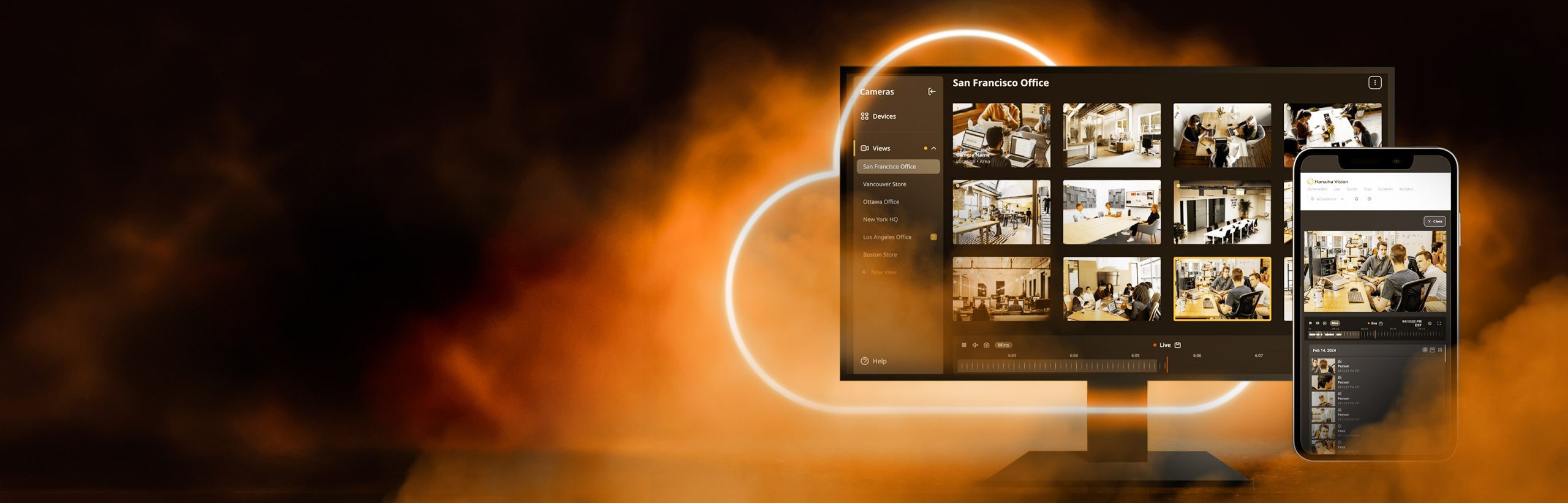
Film project tracking software is a project management system with particular applications in film and video production. It enables studios to plan and schedule work, track progress, use resources, and work together in real time.
These platforms are custom-built to support creative processes, unlike more traditional tools, and can accommodate all processes, such as storyboards and shot lists, to editing pipelines and visual effects pipelines.
As an example, software such as Autodesk Flow Production Tracking offers real-time access to shots, assets, deadlines, and team performance in one cloud environment. If you want to understand how modern systems handle large media libraries, check out this detailed guide on cloud-based video management systems for filmmakers.
3. The reasons why project tracking software is needed in the studios.
Film production is complex. Projects may go off track or blow the budget without having the right tracking in place.
This is the reason why studios use these tools:
Centralized Workflow
All data is stored in a single location, instead of fragmented files and messages, scripts, footage, feedback, and schedules are stored.
Real-Time Visibility
Producers and directors are able to track progress and make fast decisions in real time.
Improved Collaboration
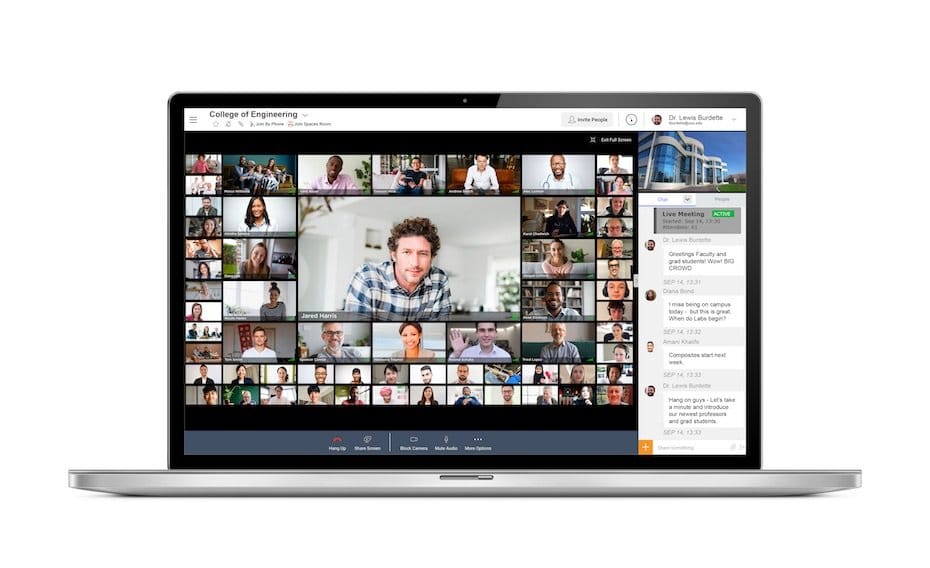
Remote working teams or those located in various places are able to remain connected and synchronized.
Reduced Delays
Live information is used to detect the bottlenecks in the early stages and avoid unnecessary delays which are expensive.
4. How Film Projects Are Tracked From Start to Finish
We can deconstruct the uses of tracking software by the studios in every stage of production.
Pre-Production: Organization and Planning.
Pre-production lays the basis of the whole project.
Studios can use tracking software:
- Set up elaborate production timetables.
- Assign tasks to team members
- Handle scripts, storyboards, and concept art.
- Plan budgets and resources
Most of the tools come with AI-based planning that automatically updates schedules under varying circumstances.
Example: Teams can schedule shooting days, crew roles, and location information- all in one dashboard.
Production: Monitoring on Set in Time.
On the filming, matters are fast. There is no possibility of anything slipping through the cracks with the help of tracking software.
Key features include:
- Live updates from the set
- Instant photo access through camera-to-cloud.
- Making dailies is an aspect of the daily progress reporting.
- Task updates and approvals
Contemporary systems enable the immediate uploading of footage in order to provide off-site crews with a chance to watch it in time, enhance the decision-making process, and minimize reshoots.
Post-Production: Editing and VFX Management.
It is at the stage of post-production that all should be worked out–and here, still more, tracking is of the utmost importance.
Software helps manage:
- Editing workflows
- Version control of footage
- Visual effects pipelines
- Sound effects and color correction.
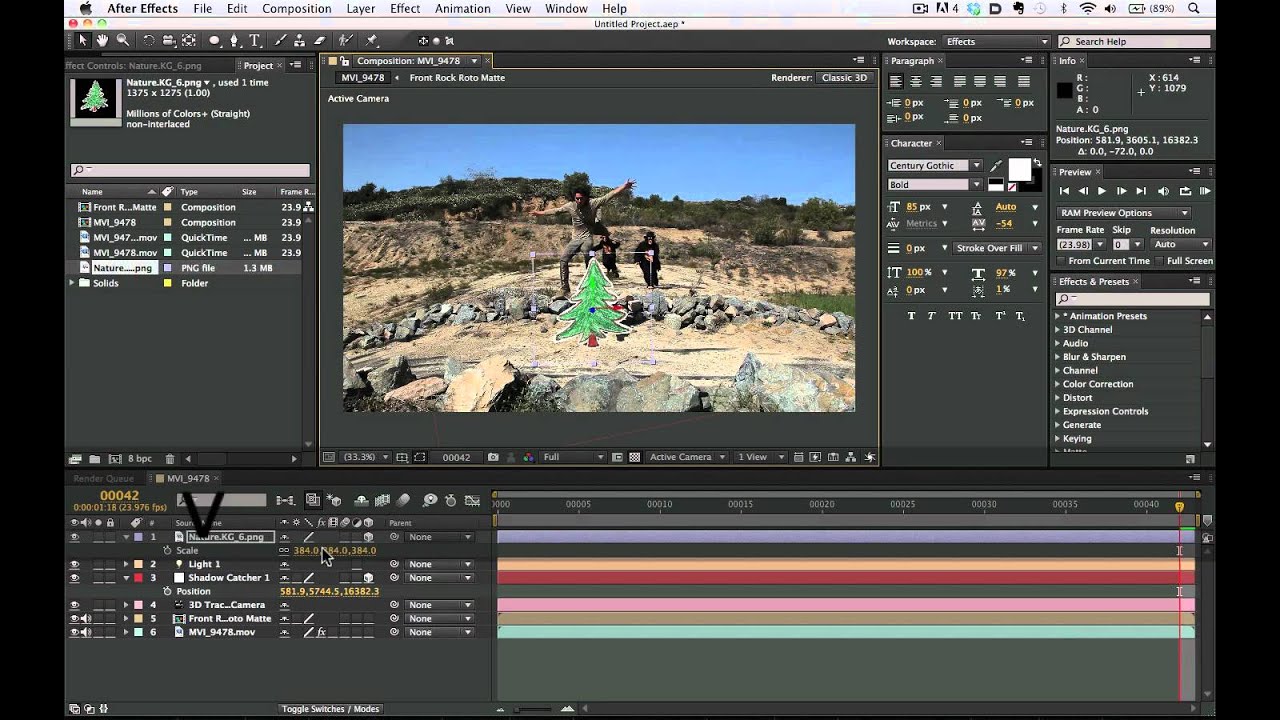
The tracking systems are quite often configured to integrate such tools as Adobe Premiere Pro or Avid Media Composer to facilitate workflows.
These applications facilitate teamwork, cloud-based syncing, and superior editing tools, which enable groups to manage large amounts of media effectively.
Teamwork Within Departments.
The production of a film is a team of large amounts of talent- direction, cinematography, editing, VFX, etc.
Tracking software enables:
- Shared dashboards
- Immediate reviews and feedback.
- Version tracking for assets
- Sea, less communication
Integration with such platforms as Trello and Slack enables teams to maintain communication with one another, so that everyone is on track with the production process (Saturation). For teams working remotely, choosing the right tools is crucial—explore the best video collaboration tools for filmmakers in 2026 to improve your workflow.
Budget and Resource Tracking.
The ability to be on budget is one of the greatest challenges in filmmaking.
Tracking software enables the studios to:
- Track the costs in real time.
- Make good resource allocation.
- Adjust budgets as needed
- Generate financial reports
This knowledge will make producers make wiser choices and will not spend money on nothing.
Timeline Management and Scheduling.
The production of films revolves around scheduling.
Gantt charts and visual timelines are used with many tools to:
- Track deadlines
- Manage task dependencies
- Identify delays early
Transforming the project progress and tolan adjustment enables the teams to become more efficient and well-coordinated, as modern Gantt-based tools allow them to visualize the project progress.
Live Reporting and Intelligence.
Decision-making in the film industry is going to be based on data.
Tracking software provides:
- Progress reports
- Performance analytics
- Risk assessments
- Workflow optimization information.
These reports assist the studios in being on track and constantly improving their processes. Discover how advanced tools manage complex workflows in large-scale productions with ShotGrid.
Application of AI in Film Project Tracking.
AI is changing the manner in which film industry professionals are handled. New platforms such as MITO AI are bringing features including:
- Automated storyboarding
- AI-generated assets
- Recommendations on smart workflows.
- Integrated creative tools
The systems unite all this into one common working environment, thereby making production easier and more effective.
5. Key Features to Look For in Film Tracking Software
Some of the important things to consider in the tracking software used in the film are:
When you are selecting a tool, you need to have:
- Real-time project tracking
- Cloud-based collaboration
- Time plan and scheduling software.
- Asset management system
- Budget tracking
- Connection with editing software.
- Reporting and analytics
6. Advantages of Film Project Tracking Software.
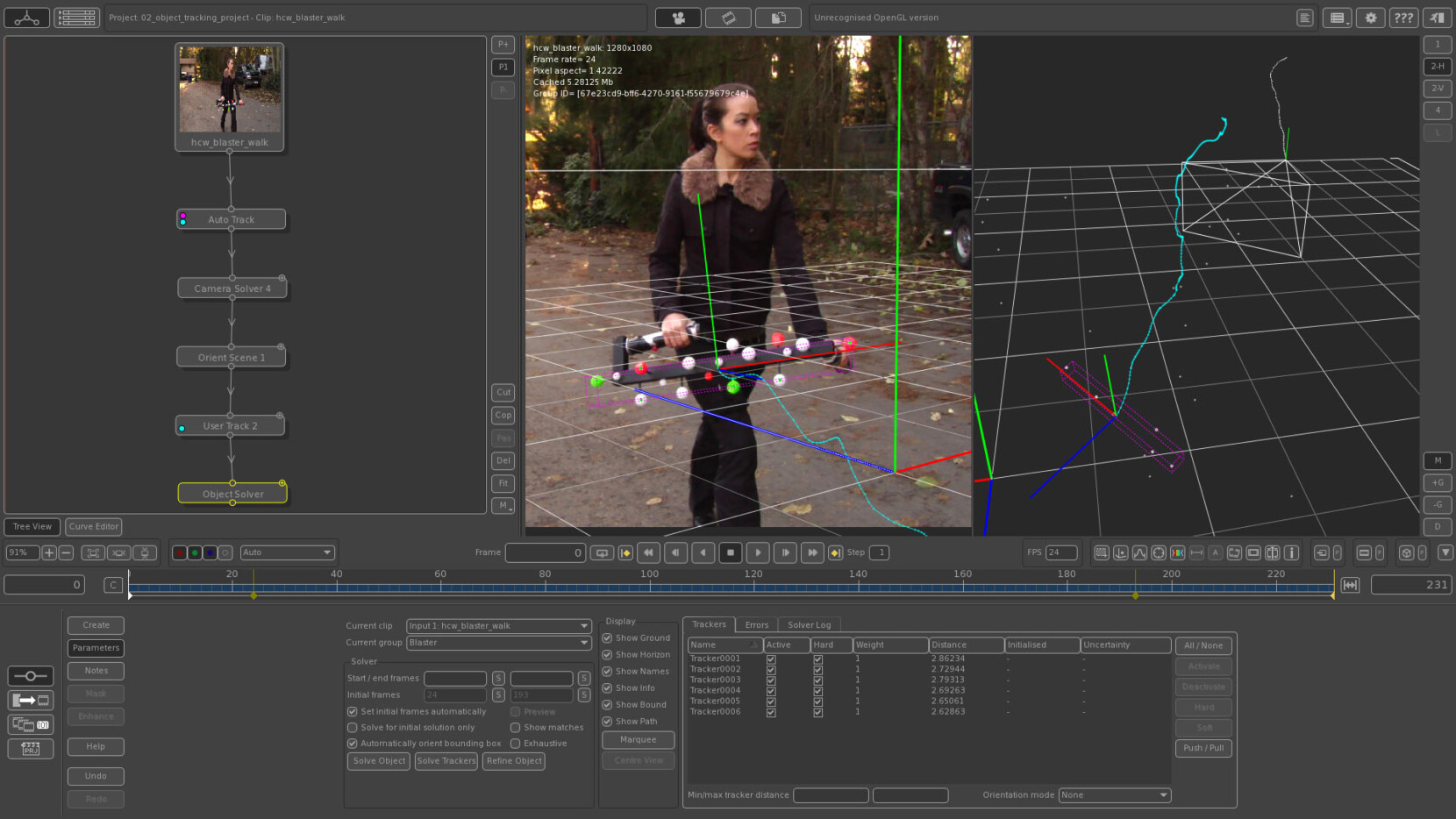
The appropriate software has the potential to change the way studios work.
Better Organization
Everything is organized and convenient to access.
Faster Decision-Making
Real-time data assists teams in making swift moves.
Improved Collaboration
The teams are compatible even when working remotely.
Cost Efficiency
Improved monitoring saves on unnecessary costs.
Higher Quality Output
Smoothed out workflows result in superior creative outcomes.
7. Challenges Without Tracking Software
In the absence of effective equipment, studios tend to encounter:
- Missed deadlines
- Budget overruns
- Poor communication
- Lost or duplicated work
- Inefficient workflows
Such problems may cause a great influence on time and quality.
8. Final Thoughts
The movie production is no longer a matter of creativity; it is a matter of coordination, efficiency, and intelligent administration.
Film project tracking software provides studios with the capacity to track all the processes involved in the production process, from start to finish. These tools have become the key to contemporary filmmaking thanks to the real-time monitoring, I-driven insights, and seamless cooperation.
With the ever-changing technology, the studios that embrace the use of sophisticated tracking systems will not just remain organized, but they will also become competitive by providing high-quality content within a shorter and more efficient time. Learn how professional studios track every stage of production using tools like Autodesk Flow Production Tracking.
9. FAQs
Why does the film project tracking software need to be used?
It assists studios in the control of tasks, schedules, budgets, and cooperation during the whole process of production.
Is it possible to use this software by small production teams?
Yes, most of them can be expanded to smaller setups and larger studios.
Is tracking software in film costly?
Costs vary. Certain applications have free versions, and more sophisticated systems demand subscriptions.